When you’re shopping for a boat, it can be confusing to see what looks like the exact same model listed at very different prices from one dealership to another, sometimes by thousands of dollars.
So why is one boat cheaper than another?
Are you getting a better deal, or is something missing?
For most buyers, this raises a bigger concern: Am I about to overpay or make a mistake?
The truth is, there are real reasons behind these price differences. But if you don’t know what to look for, it’s easy to compare the wrong things and get caught off guard later.
To help explain this, we spoke with Justin Terhaar, a sales professional at Westre’s Marine with over 10 years of experience in the marine industry in Central Minnesota. He has spent time working both in sales and service including roles at MarineMax, Miller Marine, and now Westre’s, giving him a well-rounded perspective on how and why boat pricing can vary between dealerships.
In this article, we’ll break down why the same boat can be cheaper at another dealership and how to compare your options the right way so you can make a confident decision.
Quick Answer: Why Boat Prices Vary Between Dealerships
In most cases, boat prices differ for a few key reasons:
Different options and add-ons
What’s included (or not included) in the price
Dealer service and support
Manufacturer incentives or promotions
Pricing strategies between dealerships
The biggest misunderstanding?
Buyers often think they’re comparing the same boat but they usually aren’t.
What’s Included in the Price?
This is where many of the price differences originate.
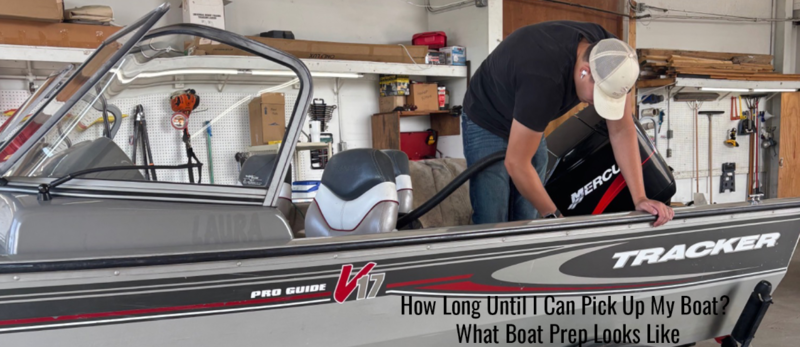
Prep, Rigging, and Setup
Before a boat hits the water, it needs to be:
Assembled
Rigged
Tested
Some dealerships include this in the price. Others list it separately.
If prep is done poorly, it can lead to problems down the road. That’s why this step matters more than most buyers realize.
Freight and Delivery
Boats don’t just appear at the dealership, they have to be shipped.
Freight costs can vary based on:
Distance from manufacturer
Brand
Fuel costs
Some dealers include freight in their price, while others add it later.
Warranty and Coverage
Most boats come with a factory warranty, but what’s included can vary.
Some dealerships also offer:
Extended warranties
Additional coverage
Service perks
A higher price may include more protection, which can ultimately save money in the long term.
Are You Really Comparing the Same Boat Across Dealerships?
Differences in Options and Add-Ons
Two boats can look identical at first glance, but have very different features.
Things like:
Electronics and graphs
Trolling motors
Upgraded sound systems
Power steering vs. hydraulic steering
These options aren’t always obvious, but they can easily change the total cost by $3,000 to $10,000 or more, depending on how the boat is equipped.
Justin explained that many buyers don’t realize one boat may include these upgrades while another doesn’t. That lower price may simply mean fewer features.
Model Year Differences
Model year can also impact price.
Dealers often discount leftover inventory when a new model year comes in. That means a 2024 model may be priced lower than a 2025 even if they’re nearly identical.
There’s nothing wrong with buying a previous model year, but availability may be limited, and you may not get the latest updates.
New vs. Demo vs. Used
Not all “new” boats are truly new.
Some may be:
Demo units: Used for test drives
Boat show display models: Display only
Lightly used: Previous owner or staff use
These boats are often priced lower, but they may have:
Some engine hours
Minor wear
Less warranty coverage
That doesn’t make them a bad option but it’s important to know what you’re getting.
Dealer Services That Impact Value
Service Department Quality
A dealership’s service department plays a huge role after the sale.
A strong service team means:
Faster repairs
Better communication
Less downtime during boating season
A cheaper boat from a dealership with poor service can quickly become frustrating.
Customer Support and Delivery
A good dealership doesn’t just hand you the keys.
They walk you through:
How the boat works
Safety features
Maintenance basics
Proper onboarding can make a big difference, especially for first-time buyers.
Storage and Maintenance Services
Some dealers offer:
Winterization
Storage
Maintenance packages
These services add value and convenience, especially in places with shorter boating seasons.
Manufacturer Incentives and Promotions
Seasonal Discounts
Boat pricing can change depending on the time of year, especially when seasonal promotions or manufacturer incentives are available.
In most cases, dealerships are allowed to sell boats at the MSRP (manufacturer’s suggested retail price) or below it, depending on their pricing strategy and current promotions.
However, some brands, like Tracker boats, use a no-haggle pricing model, meaning the price is set by the manufacturer and is the same across all dealerships. There’s no negotiating, and every customer pays the same price.
You may see:
End-of-season discounts
Boat show specials
Manufacturer rebates
These promotions can create noticeable price differences between dealerships.
Financing Offers
Some manufacturers offer special financing rates.
These can:
Lower monthly payments
Make a higher-priced boat more affordable.
But it’s important to look at the total cost, not just the monthly number.
Dealer Pricing Strategies
High-Volume vs. Boutique Dealers
Some dealers focus on selling high volume at lower margins. Others focus on service and long-term relationships.
Lower price doesn’t always mean better value, it may mean fewer services included.
Dealer Pricing Strategies: What’s the Difference?
Dealer Type |
Pros |
Cons |
High-Volume Dealer |
Lower upfront pricing More inventory to choose from Faster buying process |
Less personalized service Limited time for onboarding Service departments may be busier |
Boutique / Service-Focused Dealer |
More personalized experience Stronger long-term support More thorough delivery and training |
Higher upfront cost Less pricing flexibility Smaller inventory selection |
Pricing Models
Some dealerships:
List upfront pricing
Offer no-haggle pricing
Or rely on negotiation.
Each approach has pros and cons, but transparency is key.
Market Demand and Location
Where you’re buying also matters.
Boats may cost more in:
High-demand areas
Regions with shorter seasons
Areas with fewer dealers
Local competition and demand can impact pricing more than you think.
Advertised Price vs. Real Price
This is one of the biggest areas of confusion.
What’s Not Included
Some advertised prices leave out:
Freight
Prep and rigging
Taxes and fees
That “cheap” price may not reflect what you’ll actually pay.
Pricing Tactics to Watch For
Some listings are designed to grab attention. These tactics aren’t always dishonest, but they can make prices look lower than they really are.
They may:
Show a base model price.
Exclude common options
Leave out required fees.
Always ask for an out-the-door price before making a decision.
How to Compare Boat Prices the Right Way
4 Steps to Compare Boat Prices (the Right Way)
Ask for an Itemized Breakdown
A clear quote should include:
Boat Price
This is the base price of the boat itself. Make sure you understand whether this reflects the MSRP or a discounted price and confirm the model year and exact configuration.
Options
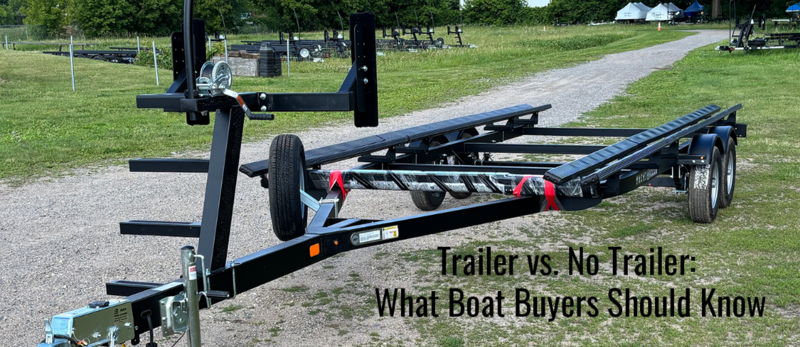
This includes any upgrades or add-ons installed on the boat, such as electronics, trolling motors, upgraded sound systems, or trailers. These can significantly impact the price, so make sure you’re comparing the same features across quotes.
Fees
These are often where prices start to differ between dealerships. Fees may include freight, prep, rigging, documentation, or delivery. Some dealers bundle these into the price, while others list them separately so it’s important to know exactly what you’re being charged for.
Total Cost (Out-the-Door Price)
This is the final number you’ll actually pay. It should include the boat, all options, all fees, and any applicable taxes. If you don’t have this number, you’re not seeing the full picture.
This helps you compare dealers fairly.
Look at Total Cost of Ownership
Don’t just focus on the purchase price.
Consider:
Maintenance
Storage
Repairs
Fuel
A slightly higher upfront price may save money later.
Evaluate the Dealership
Look at:
Reviews
Service reputation
Customer experience
Many buyers regret choosing the cheapest option if the experience is poor after the sale.
Bottom Line: Price vs. Value
At the end of the day, most buyers don’t overpay because they made a bad decision, they overpay because they didn’t have all the information.
The key is understanding what’s actually different, whether it’s options, services, fees, or long-term support so you can avoid surprises and make the right call for your situation.
As we’ve covered, many buyers think they’re comparing the same boat when they’re not. Small differences in features, what’s included, and the dealership behind the sale can add up quickly and can impact your experience long after you leave the lot.
If you’re comparing boats right now, the best next step is to ask for a full, itemized breakdown from each dealership so you can clearly see what you’re getting and compare your options side by side with confidence.
If you want a second set of eyes, our team at Westre’s Marine does this every day. Call us and we can walk through your quote with you, explain what’s included, and help you spot any differences so you can move forward with confidence, whether you buy from us or not.