How to Choose the Right Pontoon Boat for Your Lifestyle
5 min read
Key Takeaways
Choose based on how you will use the boat most often: cruising, fishing, watersports, or entertaining.
A 20–22-foot pontoon with 90–150 HP works well for many families, but passenger load and lake conditions matter.
Consider a tritoon for large groups, rough water, watersports, or higher horsepower.
Prioritize layout, storage, shade, and swim access before luxury upgrades.
Compare total cost—not just the monthly payment—and test-drive a similar setup before buying.
Introduction
Choosing a pontoon can feel overwhelming once you compare sizes, layouts, engines, tritoons, features, and prices. The biggest risk is not choosing the “wrong” brand; it is buying a boat that does not fit how you actually spend time on the water.
Since 2008, Westre’s Marine & Sport has helped Minnesota boaters compare their options. Sales representative Ryan Tuffs says the right choice depends on the buyer’s lifestyle, lake, passenger needs, and goals. In this guide, you’ll learn how to choose the right pontoon size, horsepower, layout, and features; when a tritoon is worth the added cost; what to consider when comparing new and used boats; and which common buying mistakes to avoid.
Which Pontoon Is Best for Your Lifestyle?
Start by asking: How will we use this boat most of the time?
Use | Typical Size | Typical HP | Priorities |
Family cruising | 20–22 ft | 90–150 | Seating, storage, swim access |
Fishing | 18–22 ft | 60–150 | Casting space, livewell, rod storage |
Watersports | 22–24+ ft tritoon | 150–250+ | Tow bar, power, stability |
Entertaining | 22–24 ft | 115–200 | Loungers, audio, gathering space |
Families often benefit from a versatile quad-lounge layout with comfortable seating and storage. Anglers should protect open floor space and prioritize fishing chairs, rod storage, a livewell, fish finder, and trolling motor. Watersports buyers usually need more horsepower and may benefit from a tritoon. Buyers who entertain should focus on seating flow, swim access, shade, and places to gather.
These ranges are starting points, not universal recommendations. Confirm the boat manufacturer’s horsepower and capacity limits before choosing a setup.
What Size Pontoon Boat Do You Need?
Size affects capacity, comfort, price, trailering, docking, and performance.
18-Foot Pontoons
Best for couples, smaller groups, smaller lakes, and buyers who value easier docking, storage, and trailering. The trade-offs are less passenger space and fewer engine choices.
20–22-Foot Pontoons
This is the most common range sold at Westre’s because it balances passenger room, versatility, handling, and price. It suits many families who cruise, entertain, and occasionally tube or fish.
24-Foot and Larger Pontoons
Larger models provide more room for guests and can work well on bigger water, but they cost more and may require more horsepower, storage space, and towing capacity. Tuffs notes that moving up a few feet can add $10,000 or more depending on the engine and features.
Do not shop only for your immediate household. Think about how often children, friends, or extended family will join you—and compare comfortable capacity with the maximum capacity on the plate.
Pontoon vs. Tritoon: What Is the Difference?
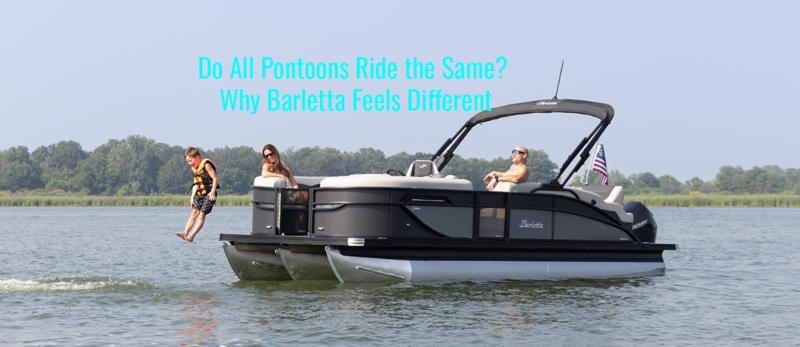
A traditional pontoon has two tubes beneath the deck. A tritoon adds a center tube, generally improving stability, load handling, speed, and rough-water performance while supporting larger engines.
A tritoon may be worth the added cost if you regularly:
Boat on large or exposed lakes
Carry a full passenger load
Pull tubers or skiers
Want higher horsepower or stronger handling
That extra capability can be useful on lakes such as Mille Lacs, Leech Lake, Lake Minnetonka, and Gull Lake. If you mainly cruise a smaller lake with a light load, a two-tube pontoon may provide everything you need for less money.
How Much Horsepower Does a Pontoon Need?
Horsepower should match the boat, load, lake, and activity—not simply the speed you want.
Activity | General Starting Range |
Relaxed cruising | 60–90 HP |
Family cruising | 90–115 HP |
Fishing larger lakes | 115–150 HP |
Regular tubing or skiing | 150–200+ HP |
High-performance tritoon | 250+ HP |
According to Tuffs, a 115 HP engine on a 20–22-foot pontoon is a common Westre’s setup because it balances performance and affordability for many Minnesota families.
Underpowering is a frequent regret. A boat that feels adequate with two people may accelerate slowly or struggle during watersports with a full load. However, casual cruisers should not pay for extreme horsepower they will rarely use. Discuss your realistic passenger count and activities with the dealer, and follow the manufacturer’s limits.
Which Pontoon Layout Is Best?
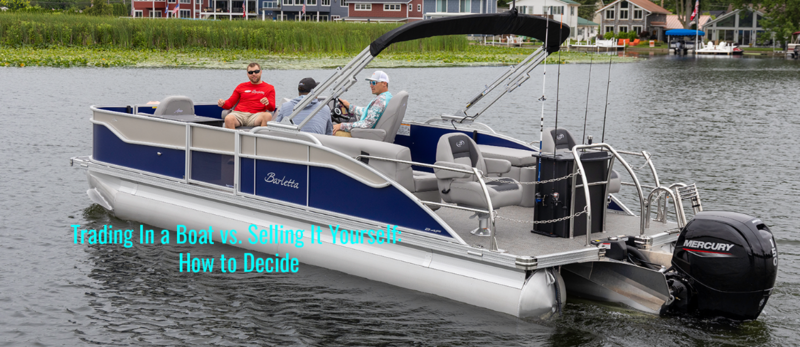
Quad lounge: Versatile seating for families, cruising, and entertaining.
Rear lounge or swing-back: Comfortable for relaxing, swimming, and socializing, but may reduce fishing or open deck space.
Fishing layout: Adds fishing chairs, rod storage, livewells, and casting room, often at the expense of luxury seating.
Entertainment layout: Prioritizes social seating, audio, swim access, and gathering space over fishing utility.
Walk through a typical day before deciding. Where will coolers, life jackets, fishing gear, water toys, and bags go? Can passengers move easily? Is the ladder comfortable for children and older adults? A practical layout usually matters more than showroom appearance.
Which Pontoon Features Are Worth It?
High-value features often include:
A power Bimini for convenient shade
An upgraded swim ladder for easier water access
A ski tow bar for watersports
A fish finder and trolling motor for anglers
USB charging and useful storage
Premium audio, decorative lighting, luxury upholstery, trailers, and high-horsepower engines can be worthwhile when they support activities you do regularly. Tuffs cautions buyers against outfitting a boat for an imagined lifestyle. Spend first on comfort, safety, and functionality you will use every trip.
What Does a Pontoon Boat Cost?
The final price depends on the boat’s size, engine, tube configuration, trim level, electronics, accessories, and trailer. Engine upgrades may add several thousand dollars, while combining a larger engine, tritoon package, and premium features can move a boat into a significantly higher price tier. Request side-by-side quotes for complete configurations rather than comparing base prices.
Financing can make a large price difference look small as a monthly payment. Compare the interest rate, term, total amount financed, and total interest—not only the payment. Current terms depend on the lender and buyer.
Budget for insurance, registration, fuel, maintenance, winterization, storage, cleaning, and possible trailer expenses. Because usage and storage vary widely, build an annual estimate around your situation instead of relying on a fixed percentage.
Should You Buy New or Used?
New pontoons offer full warranties, current technology, customization, and lower initial maintenance risk. Used pontoons can reduce the upfront price and make ownership more accessible, but their condition matters.
Before buying used, review maintenance records and inspect the tubes, transom, engine hours, electrical systems, steering, flooring, upholstery, and trailer. Confirm that identification numbers and ownership documents match. A professional inspection can uncover problems that are easy to miss during a showroom visit.
How to Test-Drive a Pontoon
Whenever possible, test a boat close to the size, engine, and tube configuration you plan to buy. Check:
Acceleration with a realistic passenger load
Turning and stability in wakes or chop
Engine noise at cruising speed
Visibility from the helm
Passenger movement and seating comfort
Low-speed response while docking
Storage and swim-ladder access
Ask how performance changes with a full load or a different engine. A test drive often reveals more than specifications alone.
Common Pontoon-Buying Mistakes
The most common mistakes are buying too quickly, choosing only by monthly payment, underestimating passenger needs, selecting too little horsepower, and prioritizing appearance over function.
Compare multiple configurations and think several years ahead. The best pontoon is not necessarily the cheapest, largest, or most powerful—it is the one that fits your typical day on the water without making you pay for capability you will not use.
Choosing the Right Pontoon for You
Define your primary activity, typical passenger load, lake conditions, storage plan, and total budget. Then compare size, layout, horsepower, and pontoon-versus-tritoon options around those needs. Sit in the boat, walk through how you would use it, and test-drive a comparable setup before deciding.
Westre’s Marine & Sport has helped Minnesota boaters compare pontoons since 2008. If you are still weighing size, layout, horsepower, or tritoon options, the team can show you complete configurations side by side and help you choose a boat that fits your lake, lifestyle, and budget. Call 320-230-0000 or visit Westre’s in St. Cloud or Willmar to get started.