What Should a Boat Dealer Do After You Buy? (Most Don’t Do This)
5 min read
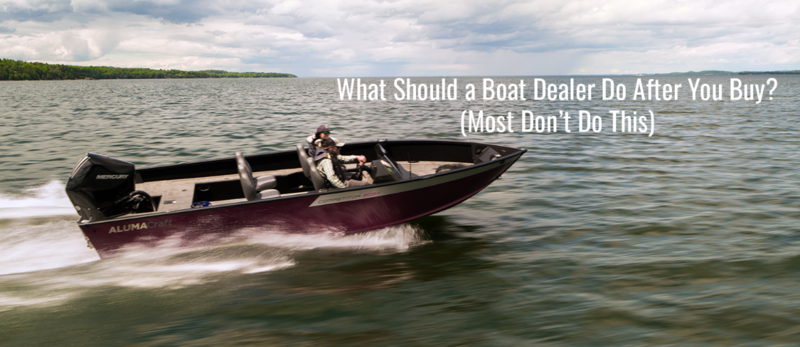
Buying the Boat Is the Easy Part. What Happens After?
Buying a boat is exciting. You picture time on the water, weekends at the lake, and stress-free days outside.
But what most buyers don’t realize is this: the real experience of boat ownership starts after the purchase.
Without the right support, that excitement can quickly turn into frustration. Boats come with a learning curve, ongoing maintenance, and small mistakes that can become expensive problems.
At Westre’s, we’ve been serving boaters since 2008, with locations in St. Cloud and Willmar, Minnesota. We’ve helped thousands of customers, and we’ve seen firsthand what happens when buyers receive and don’t receive the support they need.
In this article, you’ll learn what support a boat dealership should provide after the sale—and what you should expect to ensure a smooth, stress-free ownership experience.
Quick Answer: What Support Should a Boat Dealership Provide After Purchase?
A boat dealership should provide post-purchase support that helps you safely operate, maintain, and enjoy your boat long-term. This typically includes:
-
Delivery and hands-on training
-
Ongoing maintenance and service
-
Warranty support and repair coordination
-
Access to parts and upgrades
-
Storage and winterization services
-
Clear customer support and communication
-
Ongoing education and troubleshooting help
The best dealerships act as long-term partners, not just sellers, helping you avoid costly mistakes and get the most out of your boat.
Why Post-Purchase Support Matters
Most buyers have the same concern after purchasing a boat:
What if I don’t know what I’m doing?
That concern is valid.
Without proper support:
-
Simple mistakes ruin time on the water.
-
Small issues turn into long service delays.
-
In some cases, damage can cost $5,000+
For example, if you don’t understand how your engine cools itself, you could overheat it and cause serious damage. Even more common are small issues that stop your day entirely, like a boat that won’t start due to a simple setting.
Good dealership support helps you avoid these problems and enjoy your boat with confidence.
What Support Should a Boat Dealership Provide?
1. Delivery, Orientation, and Training
Every buyer should leave knowing how to operate their boat safely and confidently.
You should be shown:
-
How to start, stop, and shift the boat
-
Where key safety features are
-
How to monitor engine cooling
-
Basic use of electronics
Without this training, common issues include dead batteries, startup problems, or missing simple fixes like clearing debris from an intake.
2. Maintenance and Service Support
Boats require consistent maintenance, including:
-
Gear lube changes (typically annually)
-
Water pump replacement every 3 to 5 years
-
Routine engine care
The biggest frustration for owners is not cost, but timing.
If you wait until spring to schedule service, you may wait weeks.
The best approach is to complete maintenance in the fall so your boat is ready when the season starts.
3. Warranty Support and Repairs
Warranties are often misunderstood because many people expect them to cover every problem. In reality, they protect against manufacturing defects—not damage from use or misuse.
Typically covered:
-
Manufacturer defects
-
Equipment failures not caused by the user.
Not covered:
-
Operator error
-
Physical damage
|
Covered |
Not Covered |
|
Faulty electronics |
Overheating engine |
|
Defective parts |
Hitting objects |
|
Interior defects |
User-caused damage |
A good dealership helps you determine what is covered, handles communication with the manufacturer, and keeps downtime as short as possible.
4. Parts, Accessories, and Upgrades
Many owners add upgrades after purchase, such as:
-
Ski tow bars
-
Cosmetic features
-
Electronics
Trying to install these yourself or buying third-party often leads to:
-
Incorrect installation
-
Missing components
-
Equipment failure
Working with a dealership ensures everything is installed correctly and safely.
5. Storage and Winterization
In Minnesota, winterization is critical regardless of where you store your boat.
Winterization protects your engine and other systems from freezing temperatures that can cause costly damage. If done incorrectly—or skipped altogether—you could crack your engine block or damage internal components.
Many buyers assume indoor storage eliminates the need for winterization, but that's not the case. Most indoor storage is cold storage, meaning the building is not heated. While indoor storage protects the boat from snow, ice, and weather exposure, proper winterization is still required.
Some dealerships offer heated storage, but even then, winterization is typically required. Dealers still winterize boats to protect against unexpected heat loss and avoid the risk of freeze-related damage.
One advantage of indoor or heated storage is that fiberglass boats experience fewer extreme temperature swings throughout the winter. Indoor storage also eliminates the need for shrink-wrap in most cases.
|
Storage Option |
Key Consideration |
|
Indoor (cold) storage |
Protects from weather but still requires winterization |
|
Heated storage |
Reduced temperature swings but still requires winterization |
|
Outdoor storage |
Requires proper winterization and weather protection |
|
At-home storage |
Most convenient if properly winterized |
No matter where you store your boat, proper winterization is the most important step in protecting it during the offseason.
6. Customer Support and Communication
After purchase, it is best to reach out to the service department first for service needs, but it is added value if your sales rep is communicative and answers when you call.
Strong support means:
-
Clear communication
-
Quick direction to the right department
-
Reliable responses
The biggest frustration comes from not knowing who to contact or waiting too long for answers.
7. Education and Ownership Support
Most follow-up questions are simple:
-
Why won’t the boat start?
-
Where is a specific switch?
Often, it is something minor like a disconnected safety switch.
The most important habits for owners:
-
Stay on top of maintenance.
-
Learn basic troubleshooting
-
Know who to call when something comes up.
8. Relationship and Long-Term Support
The sale is just the beginning. Support determines whether you enjoy ownership or regret it.
Sales gets the first purchase. Service earns the next ones.
Customers stay loyal when:
-
They feel supported
-
Issues are resolved quickly.
-
Communication is consistent
What Great Dealership Support Looks Like
Signs of a Great Dealership
-
Easy to reach after the sale
-
Strong service department
-
Ongoing communication
-
Willingness to help with small issues
Red Flags
-
You cannot reach your salesperson after purchase.
-
Service does not respond.
-
No training or onboarding
Delays during peak season are normal. Lack of communication is not.
Questions to Ask Before You Buy
-
Who do I contact after the sale?
-
What training do you provide?
-
How does service scheduling work?
-
What happens if something breaks?
Also, be honest about how you will actually use the boat. That ensures you get the right fit from the start.
How Support Impacts the Cost of Ownership
Ongoing ownership costs typically include:
-
Storage
-
Maintenance
-
Winterization
In our area, many owners spend around $1,000 per year on these services, though costs vary based on the type of boat, storage preferences, and service needs. Some owners may spend two or three times that amount depending on the services they choose and how they use their boat.
Where buyers often regret cutting corners:
-
Skipping maintenance
-
Delaying service
-
Buying the wrong boat to save money upfront
While these decisions may save money initially, they often lead to larger expenses and frustrations down the road.
Dealership vs Private Seller
If you buy from a private seller, you miss out on the benefits of buying from a dealership, like support, service and peace of mind on the quality of the boat.
|
Dealership |
Private Seller |
|
Ongoing support |
No support |
|
Service access |
Must find your own |
|
Verified condition |
Based on the seller’s word |
If you buy from a private seller, plan to have the boat inspected and serviced right away so you understand what you purchased.
Final Thoughts: The Right Support Makes All the Difference
Boat ownership does not have to be stressful when you have the right support in place.
The dealership you choose will shape your entire experience, not just the purchase.
Take time to evaluate what kind of support you will receive before you buy.
If you’re unsure what support you should expect, we’re happy to answer your questions and walk you through what ownership really looks like, no pressure.
And if you want to see how we support our customers after the sale, reach out to our team today.