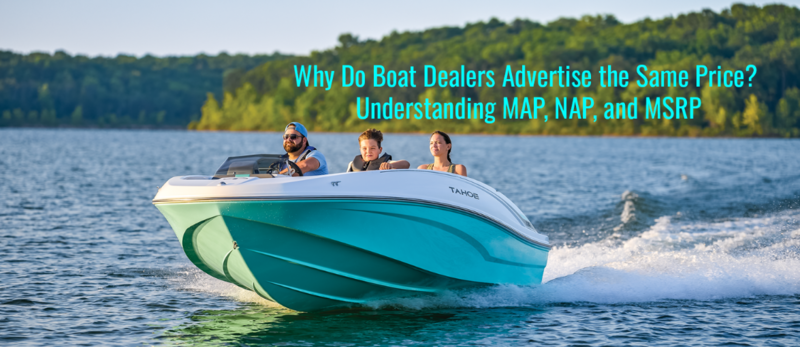
Why Do Boat Dealers Advertise the Same Price? Understanding MAP, NAP, and MSRP
7 min read
Key Takeaways
MAP and NAP establish guidelines around the prices dealers can advertise and can give shoppers a more realistic starting point than MSRP.
The advertised price is a starting point, not necessarily the final price you'll pay.
Rebates, trade-ins, financing, dealer-added equipment, fees, inventory levels, and seasonality can all affect the final deal.
Seeing the same advertised price at multiple dealerships doesn't necessarily mean every dealer will offer the same final deal.
Price matters, but Jason recommends choosing in this order: the right dealership, the right boat, then the right price.
If you have questions about an advertised price or you're trying to determine the actual purchase price of a pontoon, fishing boat, or outboard motor you're considering, we're happy to help. Visit our website, stop into our St. Cloud or Willmar location, or give us a call.
Why Do Boat Dealers Advertise the Same Price?
If you've been shopping for a new pontoon, fishing boat, or outboard motor, you've probably noticed something frustrating.
You find the exact same boat at multiple dealerships, but every dealer seems to advertise it for the same price.
Naturally, questions start popping up:
Why are all the prices the same?
What's the difference between MSRP, MAP, and NAP?
Can I negotiate?
Is the advertised price really the final price?
If the price is similar everywhere, how do I choose the right dealership?
At Westre's Marine, we hear these questions all the time.
Since 2008, owner Jason Westre and his team have helped thousands of Minnesota boaters find the right boat through their locations in St. Cloud and Willmar. Over the years, Jason has seen firsthand how pricing confusion can make the boat-buying process feel more complicated than it needs to be.
The good news is there's a fairly simple way to look at it.
The price you see advertised online gives you a starting point. It can help you determine whether a particular boat, payment, or general price range is realistic for your budget. But it isn't necessarily the final price you'll pay, and it shouldn't be the only factor you use to decide which boat or dealership is right for you.
In this article, we'll explain how MSRP, Minimum Advertised Price (MAP), and National Advertised Price (NAP) work, what the advertised price actually tells you, whether you can negotiate, and what can affect your final purchase price.
What Are MAP, NAP, and MSRP?
Before comparing prices between dealerships, it helps to understand the numbers you're looking at.
MSRP stands for Manufacturer Suggested Retail Price.
This is the retail price suggested by the manufacturer. In Jason's experience, MSRP is often significantly higher than the price a customer is realistically likely to pay for a boat, which can make it less useful when you're trying to understand your actual budget.
MAP stands for Minimum Advertised Price.
Simply put, it's the lowest price a manufacturer allows a dealer to publicly advertise a product for sale.
According to Jason:
"Minimum advertised price is a price that the manufacturer sets as the minimum amount that we can say that we have a product for sale for."
NAP stands for National Advertised Price.
Depending on the manufacturer, you may see NAP used instead of MAP. While the specific policies can differ by manufacturer, both are intended to establish guidelines around how dealers publicly advertise products.
For buyers, MAP or NAP can provide a more useful starting point than MSRP because those advertised numbers are typically closer to what you might realistically expect to spend.
That still doesn't mean the advertised price is necessarily the final price you'll pay.
Instead, use it to answer an important early question: Is this boat realistically within my price range?
If it is, you can start looking at the details that determine the actual deal and whether the boat is truly right for you.
Why Do Dealers Advertise Similar Prices?
Many premium marine brands use advertised pricing policies to maintain consistent pricing across their dealer networks.
If two dealerships carry the same boat brand and model, they may be required to follow the manufacturer's pricing policy when advertising that boat.
Dealers generally take these policies seriously because violating them can lead to consequences from the manufacturer, such as losing certain incentives or, in some cases, the ability to sell the brand.
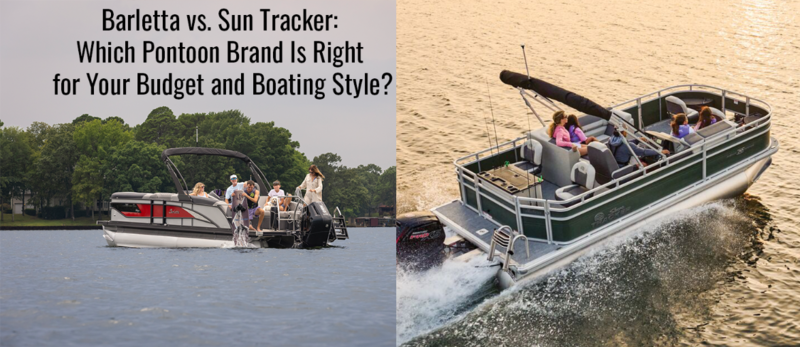
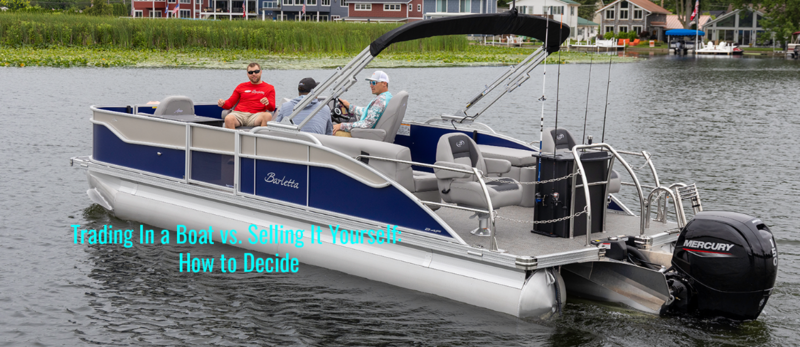
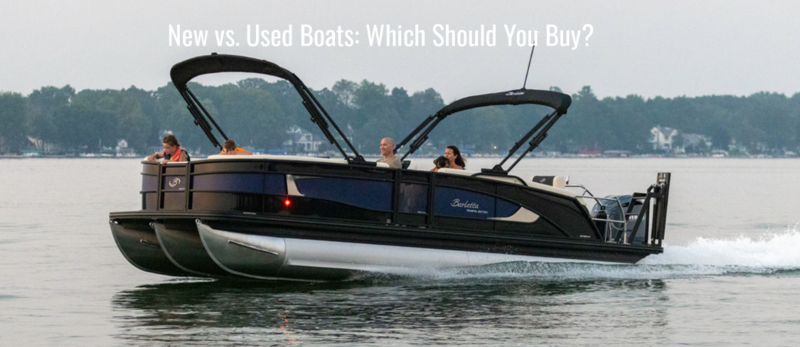
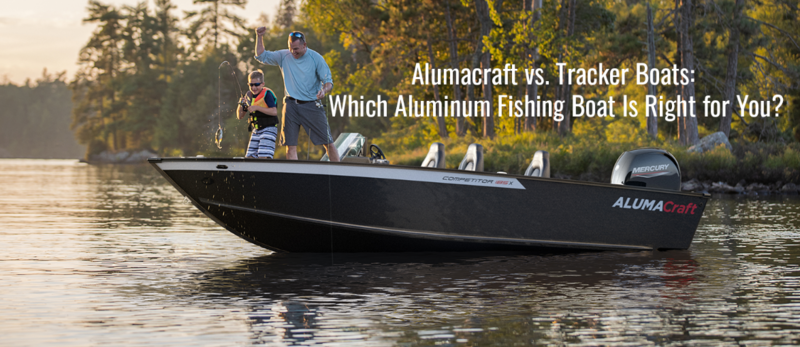
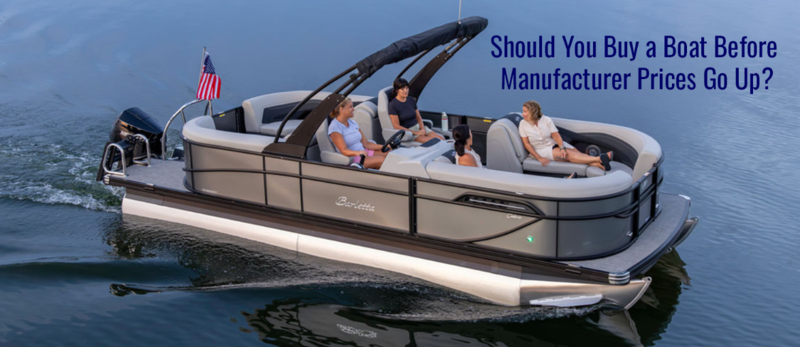
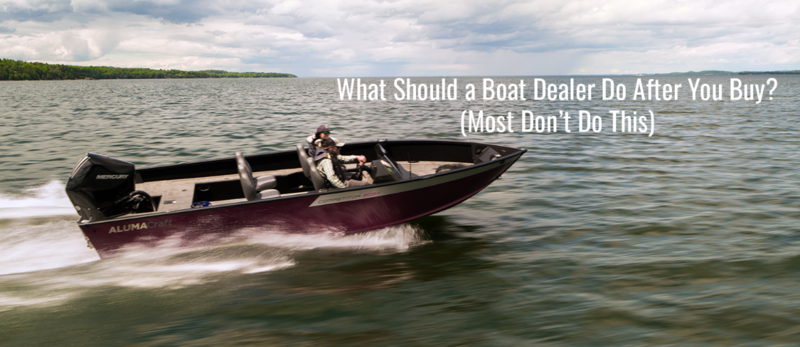
That's why you might see a Bennington pontoon, Barletta pontoon, or Alumacraft fishing boat listed at nearly identical prices at multiple dealerships.
It doesn't necessarily mean those dealerships independently decided that the boat should sell for exactly the same amount. They're advertising within guidelines established by the manufacturer.
Why Do Manufacturers Use Advertised Pricing Policies?
One reason manufacturers use advertised pricing policies is to prevent what Jason calls a "race to the bottom."
Imagine three dealers selling the exact same boat.
One advertises it for $60,000.
Another advertises it for $59,000.
A third advertises it for $58,000.
Eventually, dealerships can end up competing primarily on who can advertise the lowest price rather than on service, expertise, and the overall customer experience.
For buyers, that might sound beneficial at first. It's also fair to acknowledge that seeing the same advertised price everywhere can be frustrating because it makes it harder to determine whether one dealership can actually offer you a better overall deal.
But there's another side to the equation.
Dealerships also need to invest in:
Certified technicians
Service departments
Parts inventory
Warranty support
Customer service staff
As Jason explains:
"The sale part is a very short period. It's the after-sale that matters."
For most boat owners, the dealership relationship continues long after delivery day.
Can You Negotiate a Boat Price?
This is usually the question buyers care about most.
The answer is: often, yes.
One of the biggest misconceptions about advertised pricing is that every dealer has to sell the boat for exactly the price you see online.
That isn't necessarily true.
MAP and similar policies govern how a product can be advertised. They do not automatically mean the advertised number is the final transaction price.
That said, negotiation isn't always possible. A dealer may have little or no flexibility on certain boats or motors because of manufacturer programs, current demand, inventory levels, or how the product is priced.
In many situations, however, there are still factors that can affect what you ultimately pay.
What Can Affect the Final Price of a Boat?
Even when advertised pricing policies exist, several variables can influence the overall deal.
Manufacturer Rebates
Manufacturer incentives may not be reflected in the advertised price. If the manufacturer is offering a rebate, that discount may affect what you ultimately pay.
Trade-In Value
Trade-ins can significantly impact the final deal. Dealerships value quality used inventory, which can create additional flexibility depending on the situation.
Special financing offers can also affect the overall value of a purchase. In some situations, financing incentives may create opportunities that cash buyers don't have.
Dealer-Added Equipment and Fees
Two boats with the same advertised price may not have the same final price once dealer-added equipment and services are included. Electronics, covers, trailer upgrades, installation packages, delivery, and prep fees can all affect the total cost.
That's why it's important to understand exactly what's included when comparing quotes from different dealerships.
Inventory Levels
Supply and demand still matter. A dealership carrying more inventory than demand may have more flexibility than a dealer with limited inventory.
The marine industry is highly seasonal. The timing of your purchase can sometimes influence available promotions and pricing opportunities.
Every deal is different. Once you know a boat is within your general price range, talking directly with the dealership can give you a clearer picture of your actual cost.
If Prices Are Similar, How Should You Choose a Boat Dealer?
Price absolutely matters. But for a purchase this significant, it shouldn't be the first or only thing you consider.
Jason recommends thinking about the decision in this order:
The right dealership
The right boat
The right price
Why put the dealership first?
Because buying the boat is only the beginning of your relationship with them.
A great price doesn't mean much if the dealership is too far away to realistically support you after the sale, has poor customer reviews, or doesn't have the service capabilities you'll need throughout your ownership.
The same is true of the boat itself. A low price isn't a good deal if the boat doesn't fit how you plan to use it.
Once you've found a dealership you trust and a boat that meets your needs, price becomes the next part of determining whether the entire purchase makes sense.
Here are a few things to consider when comparing dealerships:
Who Will Service My Boat?
At some point, every boat owner will need maintenance, warranty work, repairs, accessories, or parts.
When that day comes, you'll want a dealership you trust.
Read reviews. Talk to other boat owners.
Pay attention to how customers describe their service experience, not just their buying experience.
Do They Have Certified Technicians?
Qualified technicians can make a major difference in turnaround times and repair quality.
Are They Conveniently Located?
If you're buying in central Minnesota, how far are you willing to travel for service?
Driving several hours to save a small amount on the purchase price can become frustrating if every future service appointment requires the same trip.
Dealer Comparison Checklist
Compare | Why It Matters |
Service Department | Long-term ownership support |
Technician Certifications | Quality repairs |
Parts Availability | Faster service turnaround |
Customer Reviews | Real ownership experiences |
Location | Convenience and accessibility |
Dealer Reputation | Confidence after the sale |
As Jason puts it:
"The lowest price isn't necessarily the best value."
Are There Any Downsides to MAP or NAP Pricing?
To be fair, advertised pricing policies can be frustrating for buyers.
One downside is reduced pricing transparency. When multiple dealerships advertise the same or similar price, it can be difficult to tell whether one dealer may actually be able to offer a better overall deal.
It can also make comparison shopping more difficult. Buyers may have to contact multiple dealerships to understand differences in rebates, trade-in values, financing offers, dealer-added equipment, fees, and other factors that affect the final price.
MAP or NAP pricing can also create the perception that there's less competition between dealerships because everyone appears to be offering the same price. In reality, the final deal can still vary from one dealership to another.
The advantage of these advertised pricing policies is that they give buyers a more consistent starting point for understanding what a boat may realistically cost. The disadvantage is that it can take a little more work to understand how one dealer's total offer compares with another.
Use the Advertised Price as a Starting Point
When you're shopping for a boat, the price you see online is important, but it's only one piece of the decision.
MSRP gives you the manufacturer's suggested retail price, while MAP or NAP can provide a more realistic starting point for determining whether a particular boat is within your budget.
From there, focus on the bigger picture.
Find a dealership you trust to support you after the sale. Make sure you're choosing a boat that fits how you actually plan to use it. Then determine whether the final price works for your budget.
Or, as Jason recommends:
The right dealership
The right boat
The right price
If you have questions about an advertised price or you're trying to determine the actual purchase price of a pontoon, fishing boat, or outboard motor you're considering, we're happy to help.
Visit our website, stop into our St. Cloud or Willmar location, or give us a call. We'll walk through current rebates, financing options, trade-in opportunities, inventory availability, and what's included with the boat so you can understand the numbers and make the decision that's right for you.