
Most of the boats at Westre’s Marine are priced between $20,000 and $100,000, depending on the type of boat, brand, motor, features, and equipment. If you’re shopping near St. Cloud or Willmar, this guide will help you understand what different budgets can buy, what drives boat prices, and what to expect before you buy.
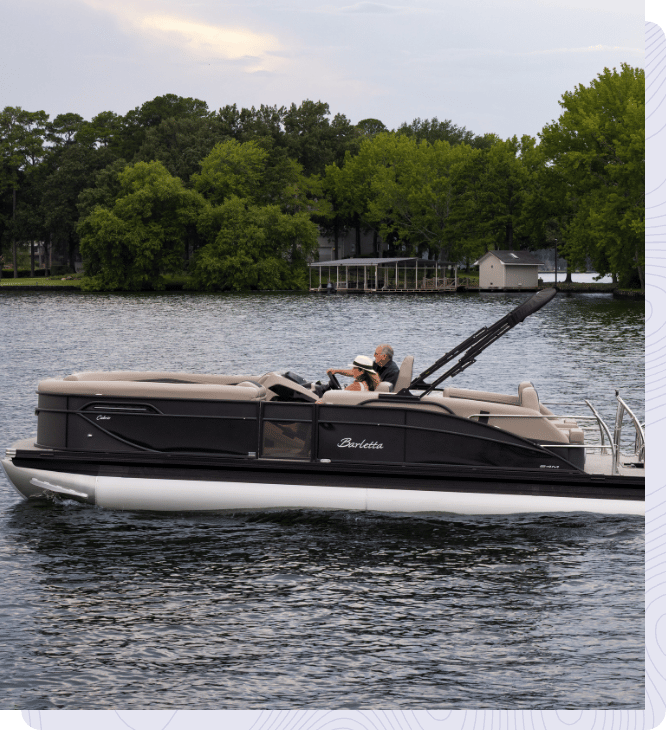
The biggest price differences usually come down to the boat you choose, how it’s powered and equipped, and whether you buy new or pre-owned. Here’s how those choices generally affect what you’ll pay.
Higher-end materials, construction, finishes, comfort, and customization generally increase the price.
Larger motors and higher-horsepower setups can add thousands of dollars to the total package.
Upgraded seating, electronics, trolling motors, audio, and other options can increase the price quickly.
Used boats generally cost less upfront than comparable new boats, with engine hours and condition playing a major role in price.
A more straightforward boat with fewer premium finishes, features, and upgrades can keep the price lower while still giving you what you need.
Previous-model-year inventory and boats available outside peak season may be priced lower as dealers make room for newer inventory.
Two boats can be the same size, look similar, and still have very different prices. That doesn’t necessarily mean one is overpriced—you may not be comparing the same boat package.
Before comparing prices, look at the motor and horsepower, electronics, seating and options, accessories, and what’s included with each boat. A lower-priced boat with a smaller motor or less equipment isn’t necessarily a better deal. It’s simply a different package.
And specs don’t tell you everything. Ride quality can be difficult to judge until you get the boat on the water. The better question isn’t just, “Which boat costs less?” It’s “What am I getting for the difference, and does it matter to me?”
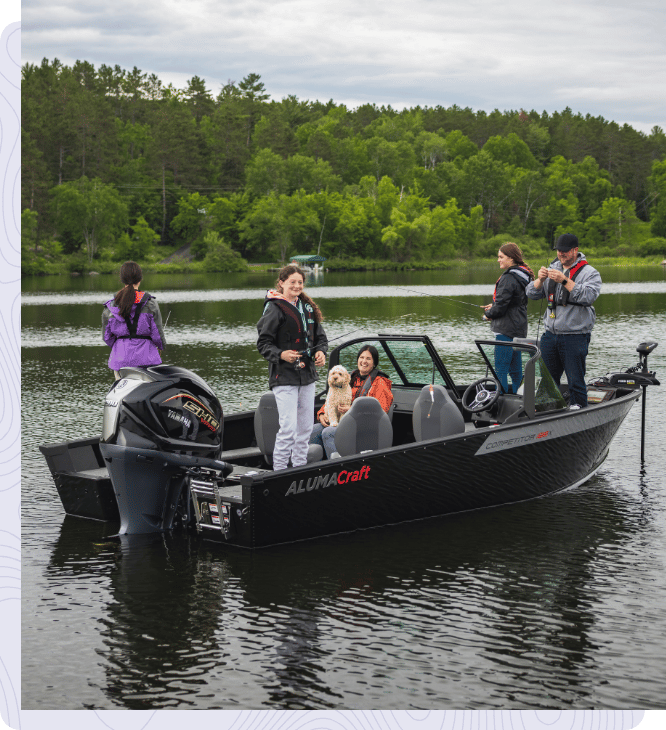
Boat prices can range from under $20,000 to well over $100,000 depending on the type of boat and how it’s equipped. At Westre’s Marine, most of the boats you’ll find are priced between $20,000 and $100,000.
Fishing boats at Westre’s typically range from about $15,000 to $55,000+, while pontoons and tritoons can range from about $25,000 to $130,000+. Brand, size, horsepower, equipment, condition, and options all influence where a specific boat falls within those ranges.
Want to see what those prices look like on actual boats? Every boat in our current inventory has pricing listed online.
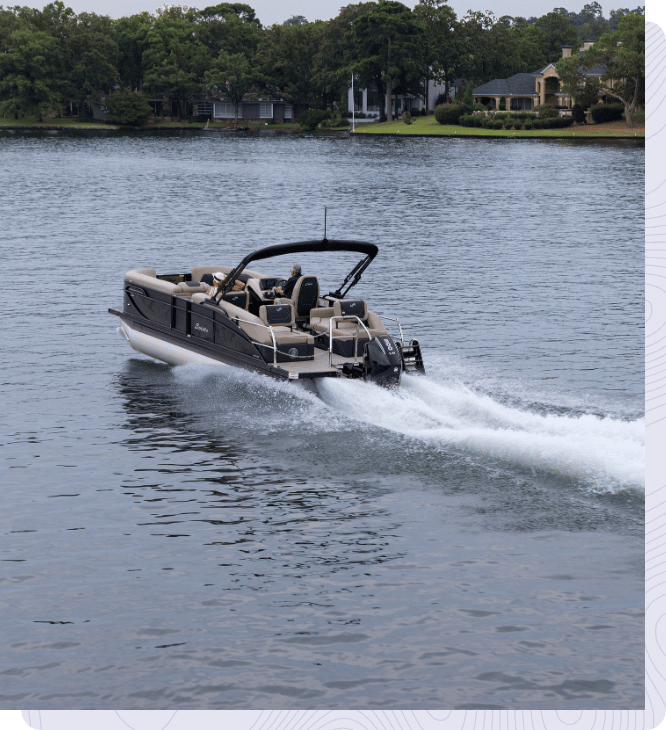
The type of boat you choose is one of the biggest factors in what you’ll spend. Here’s what the boats and equipment available at Westre’s are best suited for, along with the typical price ranges you can expect.
Typical Price Range: $15,000–$130,000+
Best for families and larger groups who want to cruise, relax, and entertain. With the right setup, they can also work well for fishing and watersports.
Typical Price Range: $15,000–$100,000+
Best for anglers who prioritize fishing space, storage, livewells, and electronics. Fish-and-sport models can add versatility for family recreation.
Typical Price Range: $15,000–$50,000+
Best for families who prioritize tubing, skiing, cruising, and watersports. Runabouts favor performance and handling, while deck boats provide more passenger space.
Typical Price Range: $20,000–$60,000+
Best for ice fishing, overnight stays, camping, and year-round outdoor use. Size, layout, sleeping space, and amenities all influence the price.
Typical Price Range: $1,500–$20,000+
For repowering an existing boat or choosing power for a new one. Price varies considerably based on horsepower, motor model, and setup.
Typical Price Range: $1,500–$7,000+
For replacing an existing trailer or adding one to a boat purchase. Price depends on the boat’s size, weight, capacity requirements, and trailer setup.
The price you pay for a boat is only part of what you’ll spend over the years you own it. Beyond the purchase itself, plan for routine maintenance, winterization and storage, and fuel. Understanding both sides gives you a much more realistic picture of what fits your budget.
The boat and motor typically make up the largest part of the initial purchase price.
Electronics, trolling motors, seating upgrades, accessories, and other equipment add to your upfront cost.
Taxes, title, freight, and other applicable costs should be considered alongside the advertised price.
Routine maintenance like oil changes and inspections, along with fuel, should be part of your ongoing ownership budget.
Minnesota winters make winterization and storage an important part of your ownership budget.
When it’s time to sell or trade, your boat still has value you can put toward your next purchase.
If boats seem more expensive than they used to, there’s a reason. Higher costs for labor, materials, freight, inflation, and tariffs have all contributed to manufacturer price increases.
Prices vary by model and year, so a newer model isn’t automatically the better value. Comparing what actually changed—and what you’re getting for the difference—can help you make a smarter decision.
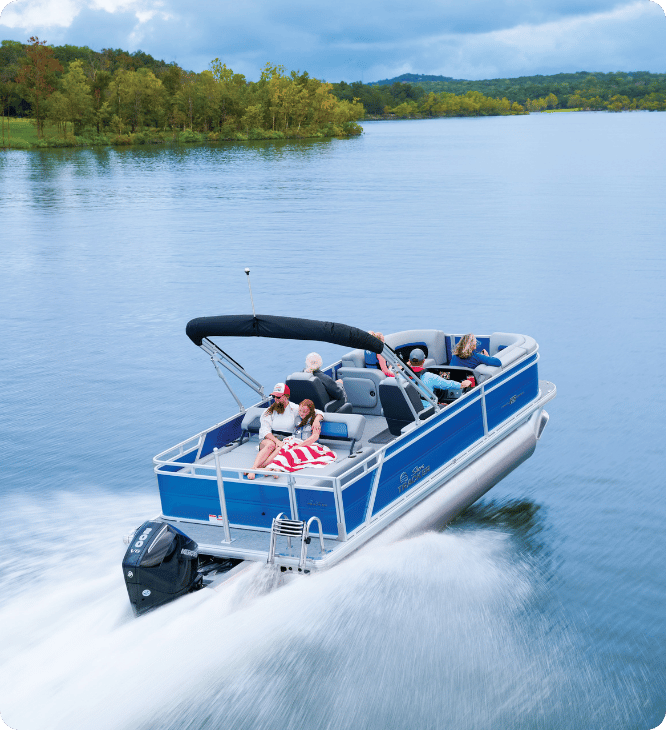
Boat financing works much like a car loan, but terms are often longer. Your actual down payment, interest rate, term, and monthly payment will depend on the boat you choose and your financial situation.
Down payments can range from 0% to 20%, depending on the boat price, your credit, and lender requirements.
Boat loans commonly run 10 to 15 years, with some extending to 20 years. A longer term lowers the monthly payment but increases the total interest paid.
As a general example, a $50,000 boat financed for 15 years at 8% is about $478/month. Your actual payment will depend on your rate, term, down payment, and amount financed.
Most boats at Westre’s are priced between $20,000 and $100,000, with some pre-owned boats available for less. What you can get at each price point depends on the type of boat, motor, equipment, and whether you buy new or pre-owned.
The advertised price isn’t always the only number to plan around. Depending on the boat you choose and what you need with it, there may be additional costs to factor into your budget.
Normally included when you buy a fishing boat, it is an option when you purchase a pontoon
Plan for applicable sales tax, title, and registration costs.
Electronics, trolling motors, seating upgrades, and accessories can increase the final price.
Costs vary based on the boat, coverage, and other factors.
You may need to budget for seasonal storage or a marina slip.
Delivery to your location may cost extra depending on distance.
Buying a boat comes with plenty of questions about price. Here are straightforward answers to a few of the questions we hear most often.
Not always. Your final total will include applicable taxes and title, and may increase if you add a trailer, electronics, or accessories. In some cases, manufacturer MAP rules may also prevent us from advertising a lower available selling price online.
Sometimes. In Minnesota, you may find better pricing from late Summer through early spring, when fewer people are actively shopping for boats. Previous-model-year inventory may also be discounted as dealers make room for newer models. Pricing and availability vary by boat.
For first-time buyers, we generally recommend a new or newer pre-owned boat. You’re more likely to have warranty coverage and modern features that make the boat easier to operate, helping you spend less time troubleshooting and more time enjoying the water.
For the right person, absolutely. But owning a boat only makes sense if you’ll use it enough to justify the cost and responsibility that come with it. Here’s an honest way to think about it.
You expect to get on the water often.
Fishing, cruising, watersports, or family time are a priority.
Renting or borrowing may make more sense.
Ownership shouldn’t create financial stress.